Module Repair Lab Sells Mail-In Repair Like a DTC Product
Module Repair Lab sells electronic module repair on Shopify with a clear enemy, three hard claims and a mail-in flow. Operator notes on what to borrow.
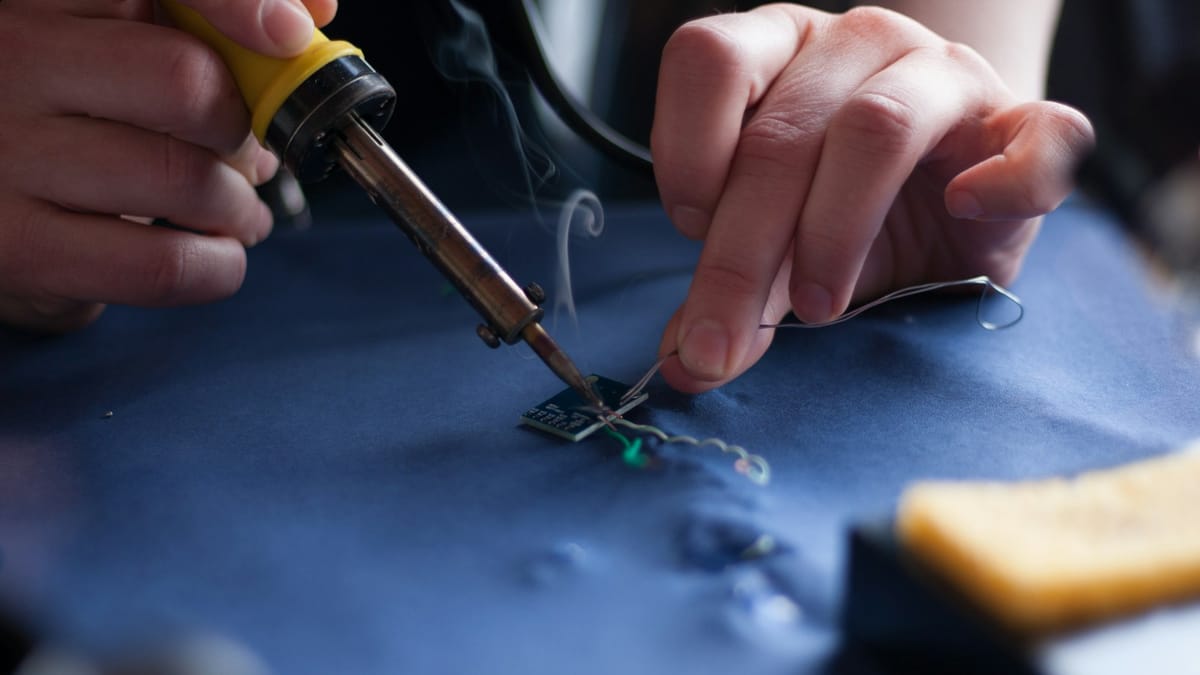
Module Repair Lab repairs automotive and heavy truck electronic modules instead of replacing them, and it sells that work through a Shopify store. The headline on its site reads “We Fix What Your Dealer Says Can’t Be Fixed.” It is a service business dressed as a DTC brand, which is exactly why it is on our radar.
This is part of our Launch Radar series on new DTC brands. Operator notes, not a product review. We have not tested any repair, and everything below about the business comes from what the company says on its own site. More profiles live in the Launch Radar archive.
What the business actually does
Module Repair Lab LLC is based in Elk Grove, California. The site lists a broad menu of electronic module work:
- Truck ECM repair for Freightliner, Kenworth, Peterbilt and International, across platforms including PACCAR, Cummins, Detroit Diesel, Volvo, Caterpillar and Navistar
- Instrument cluster repair
- SRS airbag module reset and crash data removal
- ABS module repair
- Touchscreen and infotainment display repair, including Cadillac CUE
- ECU, ECM and PCM cloning and programming, which the site describes as transferring data from an original module to a compatible donor module
The company lists its customers as individual car owners, diesel fleets and transportation companies, independent repair shops, franchise service centers, dealerships, municipal and government fleets, and agricultural and commercial operators. It says nationwide mail-in service is available, with local service around Sacramento and the Bay Area.
That is a wide menu for a small brand. The promise, though, is narrow. Your module is failing, someone told you the answer is a new one, and there may be another way.
Why the positioning works
A named enemy
“What your dealer says can’t be fixed” packs an incumbent, a situation and an emotion into one line. The buyer has usually already received bad news, most likely a replacement quote. The headline meets them at the moment they are looking for a second opinion.
That is the strongest thing about the site. Most DTC brands spend months finding a wedge. This one starts from a customer who is already annoyed at a specific alternative.
Repair versus replace is a category, not a feature
The default in this market, as the site frames it, is replacement. Module Repair Lab positions itself as the opposite move. That gives the brand a category to own rather than a feature list to defend.
Three claims that complete the comparison
The site makes three comparative claims. Together they answer the three questions any buyer asks: what will it cost, how long will I wait, and what if it fails again.
| What the site says | What it does for the buyer | What we would want documented |
|---|---|---|
| “Up to 65% lesser than dealer replacement cost” | Anchors price against a quote the buyer already holds | The basis for the comparison |
| “Most repairs completed in 3-4 days vs 14-21 days with dealership” | Shrinks downtime, which matters most for fleets | How turnaround is measured and from when |
| 4-month warranty on repairs | Lowers the fear of paying twice | Written terms and exclusions |
| “Free RETURN shipping (only) on all repairs” | Removes one cost on the way home | Clear messaging about inbound shipping |
| “Nationwide mail-in service available” | Turns a local shop into a national one | Packing and intake guidance |
The words “up to” and “most” are doing careful work. They are honest hedges, and they also mean the claims deserve backup, which we cover in a separate piece on comparative pricing.
The four-step flow
The company describes its process in four steps: submit a service request, ship your module, diagnosis and repair in 2-3 days, then return and installation. The headline claim is 3-4 days end to end, against 2-3 days for the repair itself. Our reading is that the gap is transit time, though the site does not spell that out.
The flow matters because it turns a fuzzy service into something that feels like an order. Each step is a state a customer can understand and a moment the brand can communicate.
The storefront is a Shopify catalog of services
Here is the DTC part. The catalog lists services as products. One example is a run of Audi Bosch ECU cloning services, listed one per ECU variant, including MED17.1.10, MED17.5, MED9.1 and MG1CS001, each priced at $250. There is also a custom quote page for jobs that do not fit a fixed price, and a page to start a mail-in repair.
Fixed-price listings sit next to a quote path. That combination is how most service brands should think about a catalog. Fixed prices convert the easy jobs, and the quote form catches everything else.
The company also publishes symptom and diagnosis guides on its blog. Topics from May 2026 include the Cummins N14 Celect, PACCAR MX-13 and MX-11, Freightliner and Western Star CPC4, Honda and Acura ABS and VSA, Cadillac CUE and GM instrument clusters. That is a content strategy aimed at people typing their problem into a search box.
What to watch
- Trust with a shipped part. The buyer sends an expensive component to a stranger before anything is fixed. Warranty terms, proof of work and responsive support carry the whole conversion.
- Claim substantiation. Comparative numbers invite scrutiny. Brands that keep dated evidence for their claims sleep better.
- Breadth versus focus. The site covers many makes and many module types. Depth in a few niches usually builds authority faster than a long list.
- The inbound leg. Free return shipping applies to the way home only. How the company handles the first shipment will shape conversion.
- Local and national at once. Serving the Sacramento region and the whole country from one store is a real operating challenge.
Where to start
Bottom line for DTC operators who want to borrow from this model:
- Name the alternative your buyer is escaping. A specific incumbent gives your headline, ads and landing pages a job to do.
- Build a three-claim comparison. Cost, speed and warranty answer the full buying question. Make each one specific and defensible.
- Show the process as numbered steps. A four-step flow makes a service feel like an order and gives you natural moments for status messages.
- Pair fixed prices with a quote path. List what you can price, and route the rest to a form instead of hiding it.
Related reading

MYNDR Launches an AM/PM Brain Supplement for Perimenopause
MYNDR is a new DTC brand selling a two-part cognitive support system for perimenopausal women. A look at the product, the positioning, and what operators can learn from the launch.

MaxPRO 60 Launches a Five-Ingredient Recovery Topical
MaxPRO 60 is a new DTC brand selling a natural recovery and comfort topical for athletes in cream, spray, and roll-on formats. A look at the positioning and the launch mechanics.

Repair vs Replace: Pricing a DTC Service Against the Dealer
How to anchor price, speed and warranty against an incumbent and back up the comparison. Module Repair Lab's dealer-versus-repair pitch as the case.